The Smitha Font: Your Go-To Handwritten Typeface for Makers
The sunlight streams across my desk, warming a fresh sheet of sticker paper. I’ve just loaded a new design into the software, and I’m hovering over the text box, ready to type the name for this lavender-scented candle. I need a font that feels gentle, authentic, and a little bit personal. I click through my library and select Smitha. Instantly, the words appear on my mockup in a clean, flowing script. It’s not overly fancy or dramatic; it’s just a simple, beautiful handwriting. I know immediately it’s the right choice. This is the moment where a product truly starts to come together—when the visual personality matches the physical one.
The Charm of a Simple Handwritten Script
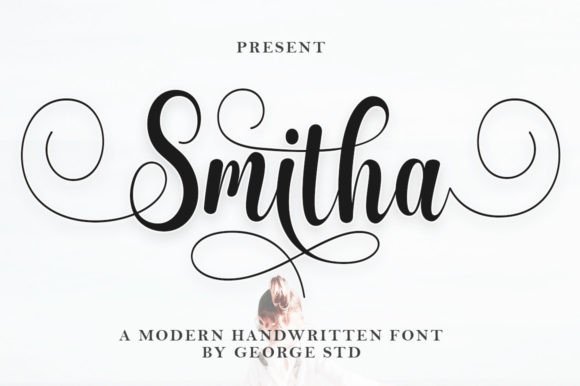
So, what is Smitha? It’s a versatile handwritten font designed with a natural, approachable feel. Its charm lies in its simplicity. The letters flow together effortlessly, without the heavy swashes or extreme variations that can sometimes clutter a design. This gives it a wide spectrum of applications, from the smallest product tag to a large welcome sign. The mood it creates is warm, genuine, and crafted. When you use Smitha on a physical product or a digital design, it doesn’t scream “digital font”; it whispers “handmade with care.” That’s its core creative appeal for any maker, seller, or printable creator.
Bringing Smitha to Life in Your Shop
The true test of a font is in its application. How does it look on the actual materials? I’ve seen Smitha come to life across so many real projects.
For Physical Products & Labels
Consider a simple linen candle label. Smitha for the scent name—“Midnight Garden”—paired with a clean sans serif for the weight and details. The contrast creates balance and professionalism. On a ceramic mug, Smitha script for a heartfelt quote stands out beautifully, feeling both modern and timeless. For a boutique clothing tag, using Smitha for your brand name adds that signature handmade touch customers recognize and remember. It works exceptionally well for short phrases, names, titles, and decorative wording where you want to convey personality without overwhelming the design.
For Stationery & Celebrations
In the realm of stationery, Smitha shines. I’ve designed entire wedding invitation suites with it: the main invitation text in a crisp serif font, and the couple’s names, date, and location elegantly rendered in Smitha. It brings a soft, romantic feel without being overly formal. For greeting cards, whether digital printables or physical cards you sell, Smitha adds that personal handwritten touch to the message inside or the decorative text on the front. Birthday party invitations, thank-you cards, and even planner page headers gain an immediate lift in warmth and creativity.
For Digital & Printable Designs
For creators selling digital files, Smitha is a powerful asset in your template designs. Printable wall art featuring inspirational quotes gains a more organic, artistic feel. Digital sticker sheets for planners look cohesive and charming when the decorative elements use this consistent handwritten style. When customers see your mockup previews and listing images, the font choice contributes directly to the perceived quality and emotional appeal of your product, encouraging engagement.
Practical Considerations for a Professional Finish
Using any font commercially requires a bit of practical foresight to ensure your final products look and function as intended.
Readability & Scaling
Smitha, being a clear script, maintains good readability even at smaller sizes, which is crucial for product labels and small stickers. However, always test prints and cuts. For cutting machines like Cricut or Silhouette, ensure the letterforms aren’t too thin for intricate weeding when scaled down. For printed cards and signage, it performs beautifully at larger display sizes. Always create physical test prints before a big production run to see how the ink or vinyl interacts with the font’s details.
Font Pairing for Harmony
Smitha’s simple nature makes it an excellent partner to other typefaces. For body text or supporting information, a classic sans serif (like a clean geometric font) or a simple serif provides a strong, readable base. This pairing creates a clear hierarchy in your design—Smitha draws the eye to the key emotional element (a name, a title, a special phrase), while the supporting font handles the practical details. This is essential for branding consistency across your shop materials, from packaging to social media graphics.
Licensing & Technical Checks
Before selling any physical product, template, printable, or merchandise featuring a font, you must confirm its commercial licensing. Always verify that your license covers your intended use. Furthermore, open the font files and explore. Check for included styles (is it just one weight?), any alternates or ligatures that can add variety, and its supported languages if your market is multilingual. Confirm it comes in the file formats you need (often .OTF and .TTF for software, and ensuring it works in your design programs). This due diligence is part of professional design and protects your business.
A Versatile Tool for Your Creative Story
Ultimately, Smitha is more than just a font file in your collection. It’s a design asset that helps tell your creative story. Whether it’s gracing a set of farmhouse-style signs, adding a special touch to holiday gift tags, unifying your boutique’s packaging, or giving your digital download previews a cohesive look, it brings a natural, human touch to your work. In a world of digital creation, that simple handwritten feel is a powerful connector—it makes your products feel thoughtful, personal, and lovingly made. And that’s the best presentation any maker can hope for.